Digital Identity and Online Security: How to Protect Your Data Effectively
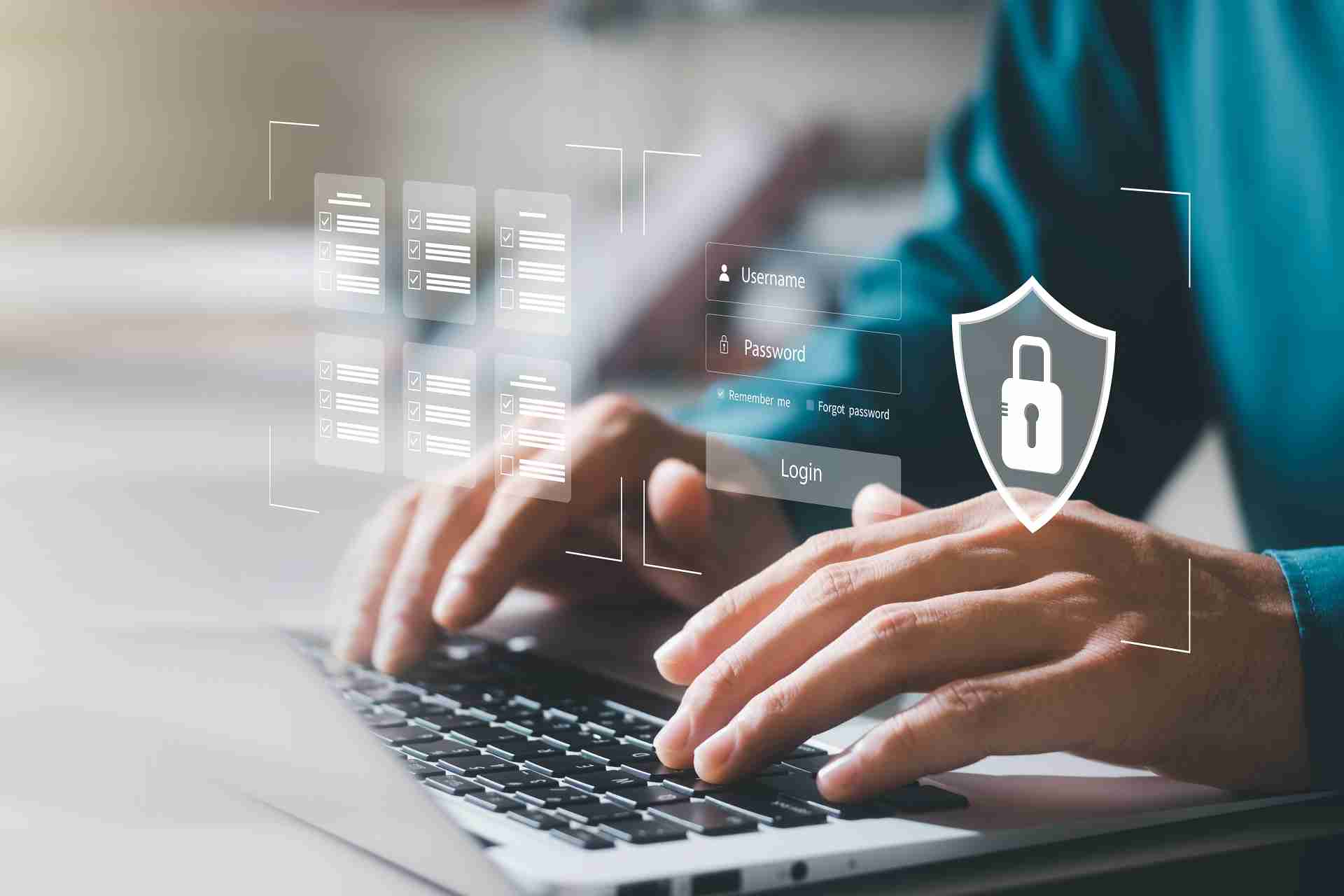
Our digital identity has become as important as our passport. From social networks and e-commerce to public services and mobile banking, every interaction online depends on secure authentication. But how many of us truly understand how to protect our data from unauthorized access and cyber fraud?
Swedes, known for embracing technology early, are also among the most exposed to digital risks — precisely because of their high level of connectivity. Understanding what makes an online system trustworthy, how to use reliable tools, and when to apply extra security layers can make all the difference. Even when using online entertainment or checking for fast withdrawals on casino platforms, awareness remains the strongest defense.
Understanding Digital Identity
A digital identity represents all the information that identifies a person online — from names, addresses, and logins to behavioral data like purchase habits and browsing history. Each interaction we make leaves a trace. Some of these digital footprints are harmless, while others can be exploited by cybercriminals if not properly secured.
In today’s hyper-connected society, managing these traces has become an essential life skill. Governments, financial institutions, and private companies are investing in secure digital ID systems that balance accessibility and privacy. In Sweden, services like BankID already enable safe authentication for millions of users, while other European countries, such as Italy, rely on SPID or CIE to achieve similar goals.
The SPID Model: Secure Access Made Simple
The Italian SPID (Public Digital Identity System) offers an excellent example of how states can provide safe, unified access to online services. It allows users to log in to government portals, universities, and private platforms with one verified identity.
Obtaining SPID is straightforward: users register through an authorized Identity Provider such as Poste Italiane, Infocert, or Aruba, confirming their identity through official documentation. Once verified, they can use their SPID credentials to access services ranging from tax filings to healthcare portals — without the need to manage dozens of passwords.
Some private sectors have also adopted SPID technology, including certified online casinos and comparison sites, to ensure higher protection standards than traditional email sign-ups. The principle is clear: one secure key for multiple doors, reducing the chances of data theft and password fatigue.
Digital Identification Alternatives
SPID isn’t the only model in Europe. Italy’s Electronic Identity Card (CIE) functions as a digital extension of a physical ID, using NFC technology on smartphones for secure logins. In Sweden, BankID and Freja eID+ serve the same purpose.
These systems share a common goal: to replace risky password-based authentication with encrypted, verified identities. They help prevent impersonation, phishing, and data leaks — three of the most common causes of digital fraud.
By using state-backed or certified ID solutions, users regain control over their information while simplifying access to digital services.
Everyday Habits That Strengthen Security
Technology alone is not enough. Protecting personal data also requires daily awareness and disciplined habits. Here are key principles Swedish users should remember:
-
Use strong, unique passwords. Combine letters, numbers, and symbols, and avoid using the same credentials across multiple platforms.
-
Enable two-factor authentication (2FA). Add a secondary verification step — via text, app, or biometric scan — especially for sensitive accounts such as banking or healthcare.
-
Stay alert for phishing. Never click suspicious links or respond to unexpected messages requesting personal details.
-
Keep software up to date. Operating systems, browsers, and antivirus programs should be updated regularly to patch vulnerabilities.
-
Avoid public Wi-Fi for sensitive transactions. Open networks are easily exploited by hackers monitoring traffic.
Cyber hygiene may sound simple, but consistency is what makes it effective. Just as washing hands prevents illness, maintaining clean digital practices prevents identity theft.
The Human Side of Security
Despite the growing sophistication of cybersecurity tools, humans remain the weakest link in most data breaches. Emotional triggers — curiosity, urgency, or trust — are what phishing campaigns exploit. Recognising manipulation patterns is part of modern digital literacy.
Swedish schools and workplaces are increasingly incorporating cyber awareness training to build a culture of digital responsibility. The message is simple: if something feels off, double-check before you act. Technology can block malware, but only awareness can block deception.
Balancing Convenience and Privacy
Digital identity systems are designed to make life easier: faster sign-ins, fewer passwords, smoother payments. However, every layer of convenience carries potential risks.
For example, when logging in to multiple services with one account, users centralise their digital presence. If that account is compromised, the impact can be broad. The solution is not to avoid digital ID tools but to diversify security layers. Use 2FA, biometric authentication, and independent recovery methods.
Swedish authorities and private tech firms have led the way in balancing simplicity with protection, ensuring that citizens can access healthcare, banking, and entertainment services without compromising privacy.
Data Is the New Currency
Personal data has become the most valuable asset of the digital economy. Companies build business models around the collection and analysis of user behavior. Unfortunately, this value also makes data a prime target for cybercriminals.
For individuals, this means rethinking privacy as a personal investment. Reviewing privacy settings, declining unnecessary data sharing, and using encrypted services like VPNs help reduce digital exposure.
Under the EU’s GDPR, users have the right to know how their data is stored and processed. But laws alone cannot protect users who remain unaware. True privacy requires participation — understanding your rights and exercising them.
Customer Support and Transparency
An often-overlooked sign of reliability is customer support quality. A legitimate company provides clear contact details, responsive chat or phone options, and real explanations for security processes. Automatic or vague replies are red flags.
For Swedish consumers used to transparent service culture, this expectation extends to digital platforms. If a business treats communication as part of customer care, it’s likely also responsible with your data.
The Role of Technology and Continuous Improvement
Cybersecurity is not static; it evolves with every new threat. From passwordless authentication to AI-based fraud detection, innovations are shaping how individuals and companies stay safe.
Modern systems employ machine learning to detect unusual patterns, such as multiple login attempts or suspicious geolocations. Meanwhile, encryption technologies ensure that even intercepted data remains unreadable.
The takeaway for users: security tools must evolve alongside habits. Regular updates, password managers, and encrypted communication apps are no longer optional — they’re essential.
A Smarter Future: Security by Design
The next generation of online protection lies in “security by design” — the idea that safety should be built into systems from the start, not added later. Sweden’s tech scene, known for clean design and minimalism, already embodies this philosophy.
As the digital world expands, collaboration between governments, developers, and users becomes crucial. Public trust will depend on transparency, ethical data handling, and education.
To understand this broader connection between digital evolution and risk management, studies like the digital transformation security report highlight how cybersecurity must grow alongside innovation. In other words, progress without protection isn’t progress at all.
In the coming years, identity and security will be inseparable. Protecting personal data won’t just be a technical choice — it will be a reflection of values, responsibility, and the kind of digital society Sweden wants to build.